Home Sellers
How do you prepare a valley home for sale if you live elsewhere?
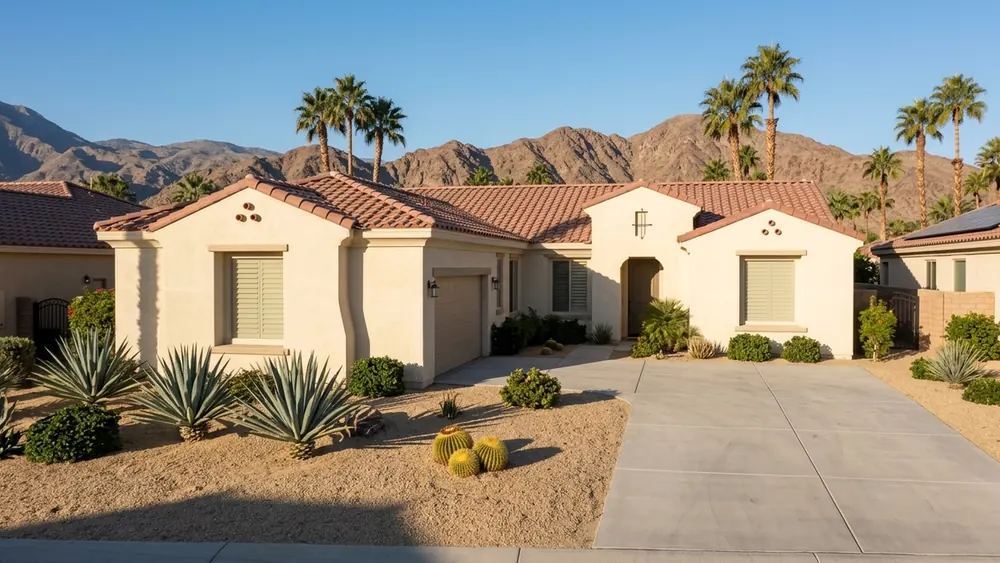
To prepare a valley home for sale from a distance, set up reliable local help, plan access and showings, gather documents early, and agree on how you will review work, photos and paperwork while you are away.
On this page
Selling from a distance, in plain terms
Preparing a Coachella Valley home for sale while you live elsewhere comes down to three things: reliable people on the ground, a clear plan for access, and paperwork you can handle from anywhere. You decide what work the home needs, who will do it and who will let them in. You gather documents early. Then you agree on how you will see progress, approve photos and sign forms without flying back for each step. With those pieces in place, distance becomes a scheduling question rather than a barrier.
Sellers who live elsewhere come to it from different directions: splitting the year, living in another state, or handling a property they inherited and rarely visit. Each situation brings its own practical questions. A seasonal owner may know the home well but be away for months at a time. Someone who inherited a home may not know where the keys, warranties or service records are. Naming your situation early helps you see which parts of the plan need the most attention.
It also helps to accept that selling from a distance takes a little more planning up front. Decisions that are easy in person, like approving a paint color or checking that a repair was finished, need a simple process when you are away. That process does not need to be complicated. A shared list, regular photos and a clear sense of who is responsible for what usually cover most of it, and they keep small surprises from turning into delays.
Who you need on the ground
Start by listing the local help the home is likely to need. That might include a cleaner, a handyman, a licensed contractor for larger work, a landscaper or a pool service. If you already have people who look after the home, ask whether they can take on preparation work too. For anything beyond routine upkeep, a licensed contractor can describe the job and what it involves, so you are not approving work blind from another city.
Next, decide who holds keys and who can meet vendors. Some owners rely on a neighbor or a friend in the valley. Others prefer a professional who already manages the property. Whoever it is should know which rooms are being worked on, where the shutoffs are and how to reach you. If the home is in an association, ask the association about any rules on vendor access, parking or work hours before you schedule anyone.
Your real estate agent is part of this group too, and it helps to be clear about roles. The agent’s side covers how the home goes to market: preparation advice, photography, showings and offers. Questions about tax, legal or insurance matters belong with a tax professional, a California real estate attorney or an insurance agent. Keeping those lines clear means each question goes to the person who can actually answer it.
Planning access, showings and an empty home
An empty or lightly used home needs a plan for showings. Think about how buyers and their agents will get in, whether a lockbox is appropriate, and who will check the home afterward to make sure doors are locked and lights are off. If the home is furnished but rarely used, decide whether to leave it as it is, remove some pieces or bring in a few items so rooms read clearly in photos and in person.
A home that sits closed up for weeks can develop small issues nobody notices until a buyer does. Plan for someone to visit regularly, run the water, check for leaks, empty the mail and make sure the air conditioning is working as expected. For heat, water and other desert environmental topics, the relevant city and regional agencies are the right place to check what applies to your property, rather than relying on general advice.
Insurance deserves a call of its own. Some policies treat a vacant or unoccupied home differently from one you live in, so ask your insurance agent whether anything changes while the home is on the market and empty. It is a simple question, and asking it early avoids an awkward surprise later. The same goes for utilities: decide which services stay on for showings and which can be paused once the home is sold.
Documents to gather while you still have time
Paperwork is easier to handle early, especially from a distance. Some documents may be stored at the valley home, so if you are visiting before the sale, set aside time to find them. Others can be requested from the original sources. A tidy folder, paper or digital, saves time later when questions come up during escrow.
- Recent utility bills and any service contracts for the home
- Warranties and manuals for appliances, systems and recent upgrades
- Records of repairs, permits or contractor work you have done
- Association documents, contacts and any notices if the home has one
If you are unsure whether a past repair or an old permit question needs attention, write it down rather than guessing. Disclosure questions belong with a California real estate attorney, and the City of La Quinta, Indio, Indian Wells or Rancho Mirage can tell you how to look up permit history for a property within its limits.
Who handles each part of a remote sale
A simple table can keep everyone on the same page. It lists the main tasks, why each one matters when you are not there, and who is usually the right person to handle or answer it. Treat it as a starting point and adjust it to your situation. The point is to make sure every task has a name next to it before the home goes to market.
| Task | Why it matters remotely | Who handles it |
|---|---|---|
| Repairs and touch ups | You cannot check the work in person | A licensed contractor or handyman, with photos |
| Keys and vendor access | Someone must let people in and lock up | A reliable local contact or property manager |
| Listing photos | They are how buyers first see the home | Your agent and a professional photographer |
| Insurance while vacant | Coverage may change for an empty home | Your insurance agent |
| Signing and escrow paperwork | Forms need signatures wherever you are | The escrow company and your agent |
Notice that most of these tasks are about communication rather than effort. If you know who is doing what and how you will hear about it, the rest follows. Ask each person how they prefer to send updates, such as photos, a short message or a quick call, and agree on how fast you can expect a reply when something needs a decision.
Reviewing work, photos and paperwork from afar
When you cannot walk the home yourself, photos and short video calls do much of the checking. Ask vendors to send pictures when a job is done, and ask your local contact to do a quick walkthrough before the photographer arrives. Mia works with a professional photographer to present seller listings, and you can review the finished images before they are published. If something looks off, it is far easier to fix before the listing goes live than after.
Paperwork can usually be handled from wherever you are, but ask the escrow company early how signing works when you live out of the area. Some documents may need extra steps, such as notarization, and knowing that ahead of time saves a rushed errand. If anything in the contract or the closing documents raises a legal question, a California real estate attorney is the right person to ask. Tax questions about selling a second home belong with a tax professional.
Getting ready for a first conversation
Before you talk with anyone about listing your valley home, a short list of notes makes the conversation far more useful. You do not need every answer. You need a clear picture of your situation and the questions you have not been able to settle yet. Start with these.
- When you expect to be in the valley and when you will be away
- Who already looks after the home and what they can take on
- Repairs or updates you have been putting off and want to discuss
- Questions for an attorney, a tax professional or an insurance agent
If you own a home in La Quinta or elsewhere in the Coachella Valley and live somewhere else for part or all of the year, Mia is happy to talk through how preparation, photography and showings could work while you are away. Bring your notes and your calendar. Which part of selling from a distance feels hardest to plan right now?
This article is general information about buying and selling homes in La Quinta and the Coachella Valley. It is not legal, tax, lending, inspection or appraisal advice and does not predict prices or promise results. Confirm city rules with each city, association rules and fees with the association’s documents, contract questions with a California real estate attorney, financing with a lender, and property condition with a licensed home inspector. Mia Blair, Cool Digs Modern Real Estate.

Written by