Condo Moves
How is selling a condominium different from selling a house?
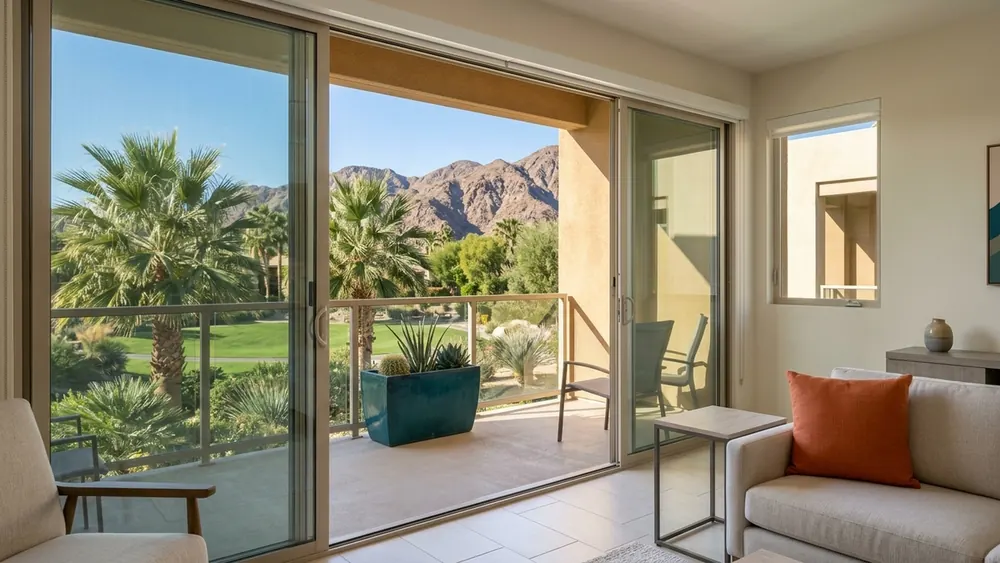
Selling a condominium usually adds the association to the process: its documents, its rules and its fees, which buyers will want to review. Gathering those materials early and presenting the home and its shared setting clearly are the main differences.
On this page
The association adds a second layer
Selling a condominium in La Quinta or elsewhere in the Coachella Valley follows the same basic path as selling a house: prepare the home, present it well, review offers and work through escrow. The main difference is the association. Buyers are not just evaluating your unit. They are also evaluating the community they would be joining, which means its documents, rules and fees become part of what you are selling.
That changes the work in a few practical ways. You will likely need to request materials from the association, and buyers will read them closely. Questions about shared spaces, rules and costs can come up alongside questions about the home itself. Sellers who expect this tend to feel more in control, because the paperwork is already moving before anyone asks for it. It also leaves more of your attention for the parts of selling that are about the home itself.
This article walks through how the process differs and what you can prepare. It does not interpret any association’s rules or tell you what you are required to disclose. The association and its documents are the source for rules and fees, an escrow company can explain how paperwork moves during the sale, and a California real estate attorney is the right person for any legal question.
Getting association materials ready early
With a house, most of the paperwork lives with you. With a condominium, an important share of it lives with the association. That is why a useful first step, even before photos, is to contact the association and ask what a sale typically involves. Find out which documents buyers usually receive, how you request them and whether there is a cost or a waiting period involved. Write the answers down so you can plan around them.
Starting early gives you room to read the materials yourself before a buyer does. You know the community well, but you may not have looked at the budget or the meeting notes in a while. Reading them now lets you anticipate questions and gather any answers you can. It also helps you avoid being surprised by something a buyer points out midway through escrow.
Keep everything you collect in one place, with a note of when you received it and who sent it. Documents can be updated while a home is on the market, so it helps to know which version a buyer has seen. If you are not sure whether something needs to be shared, do not guess. Ask the association and a California real estate attorney.
Presenting the home and its setting
Presentation matters for any home, but a condominium buyer is often weighing the unit together with its surroundings. Clean, well-lit rooms still come first. Beyond that, think about what a buyer would want to see of the shared setting: the outdoor areas near your unit, the views from your windows and patio, and anything that helps explain how the home fits into the community.
This is where the way a listing is photographed can make a real difference to how clearly a home comes across. Mia works with a professional photographer to present seller listings, and with a condominium that often means thinking carefully about which shared spaces to include and how to show the home itself in good natural light. The aim is accuracy and clarity, not exaggeration.
Before anything is photographed, check whether the association has rules about photography in shared areas, signs, lockboxes or showings. These vary from one community to another, and the association is the one to ask. Knowing the answers ahead of time helps you plan showings that respect the community and keep the process smooth for everyone involved, including the neighbors who share those spaces with you.
Questions condominium buyers tend to raise
Condominium buyers often arrive with a set of questions that a single family buyer might not ask. You do not need to have every answer yourself, but it helps to know where each answer lives. Many of these questions point straight back to the association and its documents. Here are some topics buyers commonly raise when they look at a condominium, so you can think about where each answer will come from.
- What the regular association fee covers and what remains the owner’s responsibility
- Whether the community allows rentals and under what conditions
- Whether any repairs or projects are planned for shared areas
- What the rules say about pets, parking, guests and exterior changes
When a buyer asks one of these, the honest answer is often to point them to the relevant document or to the association itself. That is not avoiding the question. It is directing it to the source that can actually answer it. Mia can help you keep track of what has been asked, what has been answered and what is still pending.
Comparing the two kinds of sale
It can help to see the differences side by side. The table below compares a few parts of the process for a condominium and a single family home. It is a general guide only. Every association and every property is different, so treat each row as a prompt for a question rather than a rule. Use it to spot where your own sale may need extra preparation.
| Part of the sale | Single family home | Condominium |
|---|---|---|
| Paperwork to gather | Mostly records you hold about the home | Your records plus documents from the association |
| Rules buyers review | City rules, and any association if one exists | Association rules, plus city rules that apply |
| Ongoing costs buyers ask about | Utilities, upkeep and costs you have tracked | The association fee and what it covers |
| What photos show | The home, the lot and outdoor spaces | The unit, its views and nearby shared spaces |
| Who answers rule questions | The city, and an attorney if needed | The association, the city and an attorney |
Notice how often the association appears in the condominium column. That is the core difference. A house sale mostly depends on you, the buyer, the lender and escrow. A condominium sale adds another party with its own documents and timing, so building that into your plan from the start keeps the rest of the sale steadier and leaves fewer open questions for the final stretch.
Seasonal owners and selling from a distance
Many condominium owners in the valley split their year between the desert and somewhere else. If you are selling while you are away, the association step becomes even more important to plan, because requests, signatures and questions may need to happen without you on site. Ask the association early how it handles requests from an owner who lives elsewhere for part of the year, and who the right contact is while you are gone.
It also helps to think about practical details: who has a key, who can let in a photographer or a licensed home inspector, and how you will review documents remotely. An escrow company can explain how signing works when you are out of the area. Mia can help coordinate the real estate side, so the home is presented well even when you cannot be there in person.
What to gather before you talk about selling
Before a first conversation about selling a condominium in La Quinta, Indio, Indian Wells or Rancho Mirage, collect what you can. The goal is not to have everything finished. It is to see what you have, what you still need, and which questions to send to the association, the city or an attorney. A short list makes the first conversation far more useful.
- Contact details for the association and its management, if there is one
- Any association documents you already have, with the date you received them
- Notes on updates, repairs or improvements you have made to the unit
- Questions you have about rules, fees or timing that you want answered
Selling a condominium is not harder than selling a house so much as it is different, with an extra party and an extra set of documents. Planning for that early keeps it manageable. If you are thinking about selling a condominium in the valley, what is the first association question you would want to have answered before you list?
This article is general information about buying and selling homes in La Quinta and the Coachella Valley. It is not legal, tax, lending, inspection or appraisal advice and does not predict prices or promise results. Confirm city rules with each city, association rules and fees with the association’s documents, contract questions with a California real estate attorney, financing with a lender, and property condition with a licensed home inspector. Mia Blair, Cool Digs Modern Real Estate.

Written by