Home Sellers
What happens after you accept an offer?
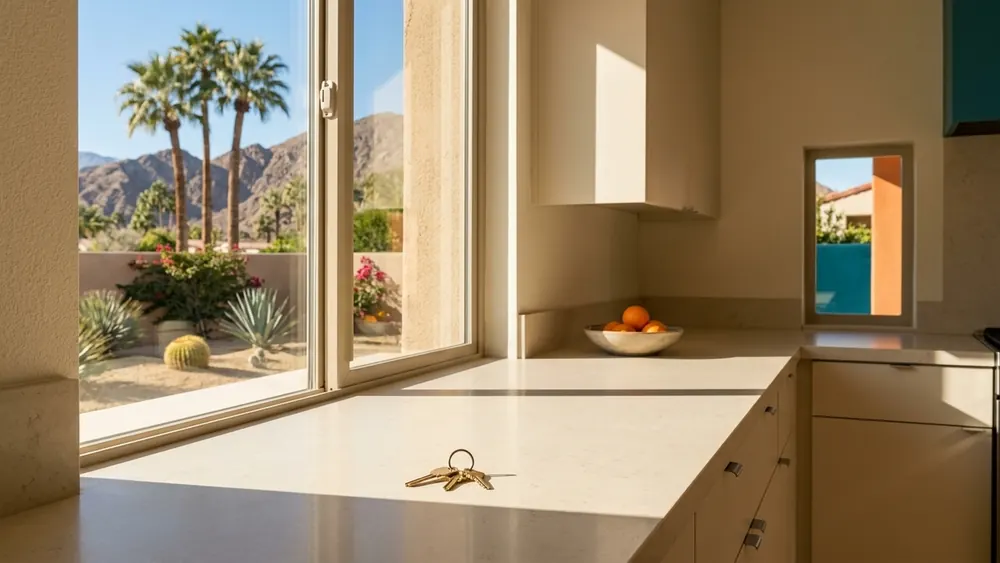
After you accept an offer, escrow opens and the contract’s steps begin: the buyer’s deposit, inspections, any repair requests, the buyer’s financing and appraisal, disclosures, final review and signing, then closing and handing over the keys.
On this page
- The short version of what comes next
- Escrow opens and the deposit arrives
- Inspections and what the buyer may ask for
- The buyer’s financing and the appraisal
- Disclosures and the paperwork you provide
- Who answers which question during escrow
- Final walkthrough, signing and closing
- Preparing yourself before you accept
The short version of what comes next
After you accept an offer, the sale moves into escrow, a neutral process that holds funds and documents until everything in the contract is done. The buyer typically puts down a deposit, then works through inspections, financing and any other steps the contract describes. You provide disclosures and respond to requests. When each condition is met and the paperwork is signed, the sale closes and the keys change hands. The exact steps and timing come from your contract, not from a general rule.
This matters because accepting an offer is not the finish line. It is the start of a stretch where both sides have tasks and decisions, and where questions can come up. Knowing the general shape of that stretch helps you plan your own move, keep the home in good order and respond quickly when something needs an answer. It also helps you recognize which questions belong with your agent and which belong with someone else.
Every sale is a little different. A cash buyer, a buyer with a loan, a condominium with an association, a home being sold from a distance: each changes the details. What follows is a practical outline, not a legal description. For anything about what your contract requires or what you must disclose, a California real estate attorney is the right person to ask, and the escrow company can explain its own process.
Escrow opens and the deposit arrives
Once both sides sign, the contract goes to an escrow company, which opens a file for the sale. The escrow company acts as a neutral holder of money and documents, and it keeps a list of what each side needs to provide. The buyer’s deposit usually goes to escrow early in the process. Ask the escrow company to confirm when it is received, and keep its contact details handy, because you will hear from it again.
This is also the moment to read the contract again with fresh eyes. Note the dates and deadlines it contains, who is responsible for each step and any conditions attached to the buyer’s offer. If anything is unclear, ask about it now rather than later. Questions about what the contract terms mean in a legal sense belong with a California real estate attorney, while your agent can walk you through how each step usually works in practice.
I like to sit down right after an offer is accepted and map out every step. When you know what is coming, nothing that shows up feels like a surprise.
Inspections and what the buyer may ask for
Most buyers arrange inspections soon after the contract is signed. A licensed home inspector looks at the home’s condition, and the buyer may bring in other professionals if something needs a closer look. You will usually need to give access, so plan to keep the home clean and accessible, and think about pets, alarms and locked areas. If you live elsewhere, your local contact can handle the visits and lock up afterward.
After inspections, the buyer may ask for repairs, a credit, a price change or nothing at all. Each request is a negotiation, not an obligation, and you have options in how you respond. You might agree, offer something different or decline. The right answer depends on the request, the condition of the home and what matters most to you. If a request touches on a legal question or a disclosure, bring it to a California real estate attorney before you reply.
It helps to remember that inspection findings are information, not a verdict. Most homes have items on a report, and a long report does not always mean a serious problem. If a finding needs a repair, a licensed contractor can describe the work and what it involves, which makes it easier to decide how to respond. A calm, specific reply usually keeps the conversation moving better than a quick yes or a flat no.
The buyer’s financing and the appraisal
If the buyer is using a loan, the lender has its own steps to complete. That typically includes reviewing the buyer’s finances and ordering an appraisal of the home. As the seller, you mostly need to provide access for the appraiser and keep the home in the condition it was in when the offer was made. Questions about the buyer’s financing belong with the buyer’s lender, and your agent can stay in touch with the buyer’s agent on progress.
Sometimes an appraisal comes in differently from the contract price, or a loan takes longer than expected. When that happens, the contract and the options it allows shape what comes next. That might mean adjusting terms or timing, or it might mean a harder conversation. No outcome can be promised in advance, so the useful step is to understand the situation clearly, look at the options and ask an attorney about anything legal before deciding.
Disclosures and the paperwork you provide
Disclosures are part of selling a home, and what goes into them is a legal matter. This is not the place for a definitive list, and it is worth asking a California real estate attorney about anything you are unsure of. What you can do is gather the information that helps you complete them accurately. Start early, since searching for old records under pressure is no fun.
- Records of repairs, upgrades and any permits for work on the home
- Warranties, service contracts and manuals for systems and appliances
- Association documents, contacts and any notices if the home has one
- Notes on anything about the home you are unsure how to describe
If the home is a condominium or in a planned community, the association will usually be involved in providing its own documents. Ask the association early how it handles requests during a sale and what it needs from you. The association and its documents are the source for rules and fees, and any legal question about them belongs with an attorney.
Who answers which question during escrow
Escrow brings several people into the sale, and knowing who answers what saves time. The table below lists common questions, why each one matters and who is usually the right person to ask. Use it as a guide, and add your own questions as they come up.
| Question | Why it matters | Who to ask |
|---|---|---|
| What does my contract require next | Deadlines and conditions shape every step | Your agent, or an attorney for legal meaning |
| Has the deposit been received | It confirms the sale is moving forward | The escrow company |
| How should I respond to a repair request | Each reply is part of a negotiation | Your agent, plus a licensed contractor for costs |
| What must I disclose about the home | Disclosure is a legal question | A California real estate attorney |
| What does selling mean for my taxes | Each owner’s tax situation is different | A tax professional |
You do not need to become an expert in every one of these areas. The goal is to send each question to the right place quickly. Your agent can help you sort them, coordinate with the buyer’s side and keep track of where things stand, so you are not chasing answers on your own.
Final walkthrough, signing and closing
Near the end, the buyer usually has a chance to walk through the home again to confirm its condition and that any agreed repairs are done. Plan to leave the home clean and to remove anything that is not part of the sale. Leave behind keys, garage openers, manuals and any codes the buyer will need. A short note listing vendors or service contacts can be a helpful touch.
Signing happens through the escrow company, and if you live outside the Coachella Valley, ask early how remote signing works and whether any documents need extra steps such as notarization. Once everything is signed, funds are in place and the remaining conditions are met, the sale closes. Ask the escrow company how and when you will receive your proceeds, and keep copies of your closing documents for your records and your tax professional.
Preparing yourself before you accept
The smoothest escrows usually start with preparation before an offer arrives. Gather documents early, decide how you will handle access while the home is in escrow and line up the people you may need: an escrow company, a licensed home inspector if you want a pre listing look, a California real estate attorney and a tax professional. Think about your own moving plans too, so the timing of the sale and your next step fit together.
If you are selling a home in La Quinta, Indio, Indian Wells or Rancho Mirage and want a clear picture of what happens after you say yes to an offer, Mia is glad to walk through the steps with you and talk about your timing and questions. Bring your contract questions, your calendar and your list of documents. What part of the escrow process would you most like to understand before you list?
This article is general information about buying and selling homes in La Quinta and the Coachella Valley. It is not legal, tax, lending, inspection or appraisal advice and does not predict prices or promise results. Confirm city rules with each city, association rules and fees with the association’s documents, contract questions with a California real estate attorney, financing with a lender, and property condition with a licensed home inspector. Mia Blair, Cool Digs Modern Real Estate.

Written by