Condo Moves
What should seasonal owners ask about association rules?
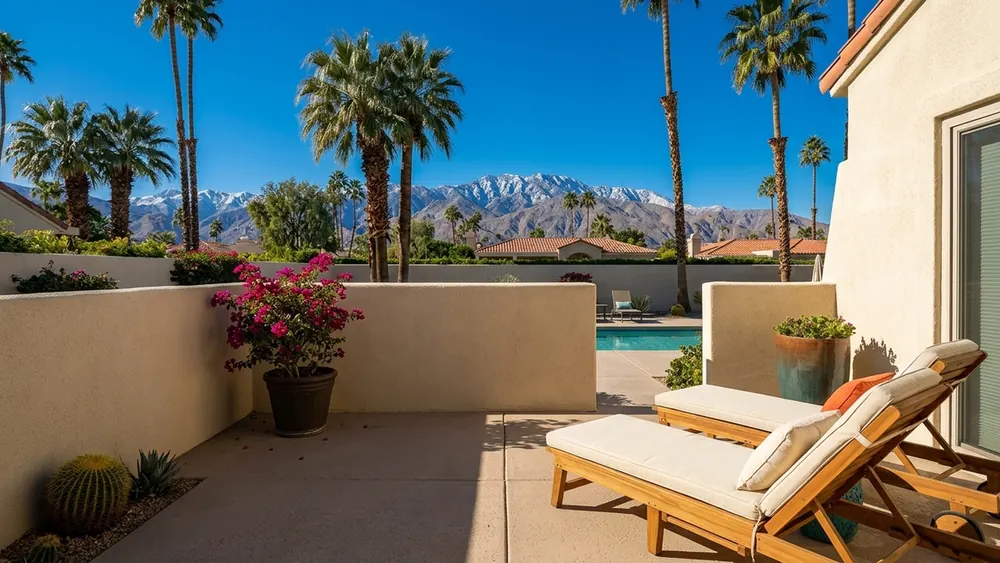
Seasonal owners should ask how association rules treat a home that sits empty part of the year: renting, guests, upkeep while away, who to contact and how notices reach you. Take each answer from the association, the city or an attorney.
On this page
Ask how the rules treat time away
If you plan to spend only part of the year in a condominium in La Quinta or elsewhere in the Coachella Valley, ask the association how its rules apply to a home that sits empty for stretches. The key topics are renting while you are away, guests using the home without you, upkeep and inspections of the unit, who can access it, and how the association reaches you when you are elsewhere.
These questions matter because most association rules are written with every owner in mind, and a seasonal owner’s situation can bring some of them into sharper focus. A rule about guests, rentals or exterior care may hardly affect a full time resident, yet shape almost everything about how a part-year owner uses the home. Knowing that before you buy lets you choose with your eyes open.
This article helps you build a list of questions. It does not interpret any association’s rules or describe the rules of any city or building. The association and its documents are the source for rules and fees, each city is the source for its own local rules, and a California real estate attorney is the right person for anything legal. Use those sources for the answers themselves.
Begin with your own calendar
Before you ask anyone else a question, be clear about your own plans. Roughly when do you expect to be in the valley, and when do you expect to be away? Will the home sit empty, host family, or possibly be rented? Your answers decide which rules matter most to you. A seasonal owner who never plans to rent has a very different set of questions from one who does.
Write your plans down in plain terms, even if they might change. Then, when you read the association documents, you can go straight to the sections that touch your situation. This makes a long stack of paper much more manageable, and it gives you a clear way to explain your plans when you ask the association or an attorney whether they fit.
I like to start with how you actually want to use the home. Once we know that, it is much easier to see which rules really matter to you.
Renting and guests while you are away
Renting is often the first question seasonal owners raise, and it is the one where assumptions cause the most trouble. Associations may set their own rules about leasing, and cities may have their own rules too. Those rules can differ between La Quinta, Indio, Indian Wells and Rancho Mirage, and they can change. Ask the association what its documents allow, and ask the city separately about local rules.
Guests deserve their own question. Some owners plan to let family or friends use the home while they are away, which may be treated differently from a rental. Ask whether the association has rules about guests staying without the owner present, whether guests need to be registered, and what happens with parking or shared amenities when the owner is not there. Get the answers in writing where you can.
Do not rely on what a previous owner, a neighbor or a listing description says about renting or guests. Rules change, and what someone else was allowed to do is not a guarantee of what you will be allowed to do. If any answer is unclear, a California real estate attorney can help you understand what it means for your plans before you commit.
Upkeep and access when no one is home
An empty home still needs attention. Ask the association what it handles and what stays with the owner, particularly for anything that might need a look while you are away. Find out whether the association expects owners to arrange regular checks of the unit, and whether it has rules about who can enter on your behalf, such as a property manager, a cleaner or a licensed contractor.
It also helps to ask how the association handles problems in a unit when the owner is away. If something needs urgent attention, who does the association contact, and how quickly can someone get in? These questions are not about expecting trouble. They are about knowing the plan in advance, so a small issue does not become a bigger one simply because nobody was reachable.
Staying informed from somewhere else
Associations make decisions throughout the year, and some of the meetings, votes and notices may happen while you are away. Ask how the association communicates with owners, and make sure it has the right contact details for you wherever you are. A few practical questions are worth asking early, so you are not caught off guard by a decision you did not hear about.
- How the association sends notices, and whether owners can choose how they receive them
- Whether owners can attend or follow meetings when they are out of the area
- How owners vote on association matters if they are not present in person
- Who to contact with a question, and how quickly owners usually hear back
Keeping up with association news from a distance takes a little effort, but it is worth it. Reading meeting notes when they come out, even briefly, keeps you aware of planned projects, rule changes and fee discussions. If something raises a question, you can ask it before a decision is final rather than learning about it when you return to the valley.
Matching each question with its source
One of the most useful things a seasonal owner can do is sort questions by who can actually answer them. The table below pairs common seasonal questions with why they matter and who to ask. It is a general guide only. Every association is different, so use it as a starting point for your own list.
| Question | Why it matters | Who to ask |
|---|---|---|
| Can the home be rented while I am away? | Shapes how you use and plan for the home | The association, the city and an attorney |
| Can guests stay without me present? | Affects family visits and shared amenity use | The association and its documents |
| Who checks on the unit when empty? | Helps small issues get noticed early | The association and licensed contractors |
| How will notices and votes reach me? | Keeps you informed while you are away | The association or its management |
| How does part-year use affect my taxes? | Every owner’s tax picture is different | A tax professional |
Notice that very few of these questions have a single source. Many need answers from the association, and some also involve the city, an attorney, an insurance agent or a tax professional. Keeping track of who answered what, and when, helps you see clearly whether a condominium fits the way you plan to use it.
How this fits into a purchase decision
Asking these questions before you buy gives you real choices. If a community’s rules fit your plans, you can move forward with more confidence. If they do not, you can keep looking, or rethink how you plan to use the home. Either way, the decision is yours to make with clear information rather than assumptions.
Mia can help you work these questions into the buying process, including when to request association documents and how to make room in your timeline to read them. For anything about insurance while the home sits empty, an insurance agent is the right person to ask. For financing questions tied to part-year use, talk with a lender.
Your list before a first conversation
Before you sit down to talk about a seasonal condominium, write down your rough calendar, whether you hope to rent or host guests, and who might look after the home while you are away. Add any documents you already have and the questions they raised. Even a short list turns a first conversation into a practical plan rather than a general chat.
Owning a condominium for part of the year in the valley can work well when the rules match the way you plan to live. The way to find out is to ask early and ask the right sources. If you are thinking about a seasonal condominium, which of these questions would you most want answered before you write an offer?
This article is general information about buying and selling homes in La Quinta and the Coachella Valley. It is not legal, tax, lending, inspection or appraisal advice and does not predict prices or promise results. Confirm city rules with each city, association rules and fees with the association’s documents, contract questions with a California real estate attorney, financing with a lender, and property condition with a licensed home inspector. Mia Blair, Cool Digs Modern Real Estate.

Written by