Home Sellers
What should a La Quinta seller do before listing photos are taken?
The short answer
Before listing photos are taken, walk the home room by room, decide which repairs and touch ups are worth making, clear surfaces, plan the light and outdoor spaces, and settle the timing with the photographer.
On this page
The short answer before the camera arrives
Before listing photos are taken on a La Quinta home, get the house ready the way you would for a careful visitor. Walk every room, decide which small repairs and touch ups to make, clear counters and shelves, and think about light and outdoor spaces. Then agree on a shoot day once the work is finished, not while it is still underway. Photos record whatever is in front of the lens, so the preparation matters as much as the camera.
This matters because the photos are usually the first look a buyer gets at your home, long before anyone walks through the front door. A buyer scrolling on a phone is trying to understand the layout, the condition and how the rooms connect. Clear, well lit images help with that. Cluttered or half finished rooms raise questions you would rather answer in person, and once a set of photos is published, it tends to stay with the listing.
None of this is about making a home look like something it is not. Good preparation simply removes distractions so a buyer can see the space honestly. It also gives you a chance to make decisions on your own schedule, instead of rushing through them the night before the photographer arrives. A calm, planned week of preparation is usually easier on everyone than a scramble, and it leaves room to fix a problem you only notice once the clutter is gone.
Start with a room by room walkthrough
The most useful first step is a slow walk through the home with a notepad or your phone, looking at each room the way a stranger would. Stand in the doorway, because that is roughly where a camera will stand. Note what catches your eye first, what looks worn, and what simply does not need to be there. Do the same outside, from the street and from the yard. A short written list keeps the job manageable and helps you split the work across a few days.
- Note anything broken, chipped, stained or loose in each room
- Mark furniture, rugs and decor that crowd a room or block a walkway
- Check every light fixture and replace bulbs so the color matches
- Look at the home from the street, the entry and the backyard
Deciding which repairs and touch ups to make
Once the walkthrough list exists, sort it into what to fix, what to clean and what to leave alone. Not every item deserves money or time, and no repair comes with a guaranteed result at sale. For anything beyond a quick touch up, a licensed contractor can tell you what the work involves and what it costs, so you can decide with real information. Questions about what must be disclosed to a buyer belong with a California real estate attorney, not with the camera.
- Fresh caulk and touch up paint where wear shows in kitchens and baths
- Burned out bulbs, loose handles and doors that stick or squeak
- Patio furniture, cushions and planters that look tired or mismatched
- Larger repairs that are worth a quote from a licensed contractor first
- Items that look minor but may raise a disclosure question for an attorney
Clearing surfaces and planning for light
After repairs, the biggest visual change usually comes from clearing surfaces. Kitchen counters, bathroom vanities, dressers and nightstands photograph better with very little on them. Pack personal photos, collections, paperwork and most small appliances into boxes you will need to pack for the move anyway. The goal is not an empty home. It is a home where a buyer can picture their own things in the room, and where each photo has one clear subject instead of a dozen competing ones.
Light shapes how every room reads in a photo. Open blinds and shutters where the view is pleasant, and close them where the glare is harsh or the view is a neighbor’s wall. Turn on all the lights so the color is even, and clean the windows, inside and out, because smudges show up more than you expect. Ask the photographer which time of day suits your rooms. The answer often depends on which way the home faces, which is a question about your house, not the neighborhood.
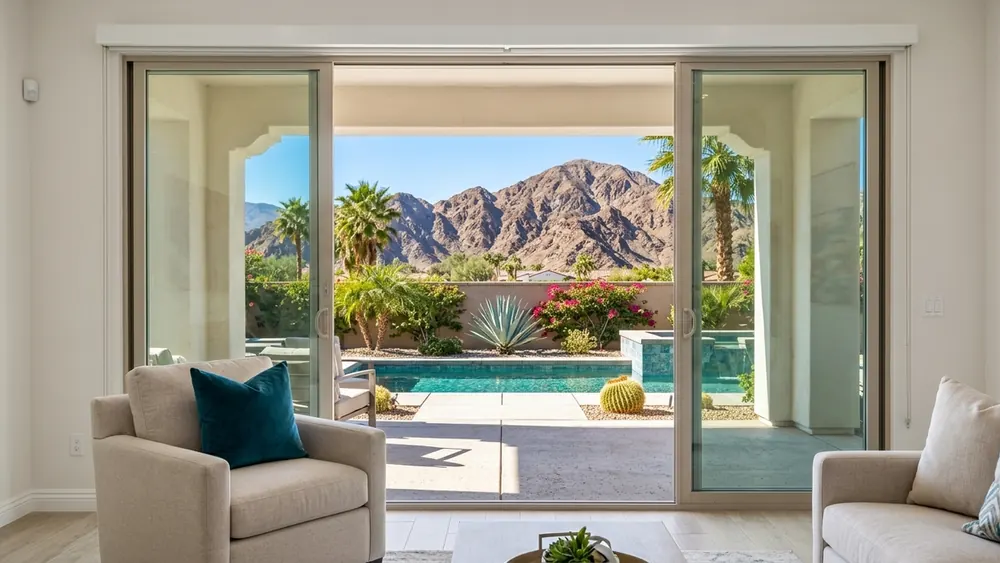
Outdoor spaces deserve the same attention as the living room. Sweep patios, clear leaves and debris, tidy the yard and put away hoses, tools and toys. If there is a pool or spa, make sure it is clean and the water looks clear on the day of the shoot. Arrange outdoor seating so it suggests how the space is used. If anything outside needs a repair, such as a gate or a light, it belongs on the same list as the inside work.
How the professional photographer fits in
Mia works with a professional photographer to present seller listings, and the photographer’s time is best spent on a home that is already prepared. Before the shoot, it helps to agree on which rooms and features matter most, so nothing important is missed and nothing awkward gets extra attention. Share any limits up front too, such as a room that will still hold boxes or a space you would rather not show. Clear expectations make the day go smoothly.
On the day itself, plan to be out of the way or out of the house. Put pets somewhere comfortable and away from the rooms being photographed. Move cars out of the driveway, take out the trash and hide the bins. Keep a short checklist by the door so the last few items, such as towels, toothbrushes and the kitchen sponge, get tucked away before the first photo. Small details like these are easy to forget and surprisingly easy to spot in a finished image.
I would rather spend an extra week getting the rooms ready than rush the photos. Once they are published, those images are how most buyers will first meet your home.
Getting ready when you live somewhere else
If you split the year between the Coachella Valley and somewhere else, preparation takes a little more planning. You may need a cleaner, a handyman or a licensed contractor to finish work while you are away, and someone you trust to let them in. Photos from those vendors can confirm the work is done. Ask yourself early who will hold keys, who will check the home before the shoot, and how you will review the finished photos before anything is published.
Remote preparation also benefits from a clear order of events. Repairs come first, then cleaning, then clearing surfaces, then the photographer, so each step is not undone by the next. If the home has been closed up for a while, plan time to air it out, run the water and check that everything works. Association rules can affect contractor access or parking in some communities, so if you have an association, check those details with the association before scheduling anyone.
What to gather before your first conversation
Before you talk with anyone about listing, it helps to gather a few things. Find recent utility bills, any warranties for appliances or systems, records of repairs or upgrades, and the association documents if the home is in one. Write down your walkthrough list and what you have already handled. None of this needs to be perfect. It simply gives the first conversation a concrete starting point instead of a general one, and it surfaces questions you may want to take to an attorney, a tax professional or a lender.
It also helps to think about timing in plain terms. When would you like the photos taken, when could the home realistically be ready, and are there dates you will be away? Write down anything about the home you are unsure how to handle, from an odd room to a repair you have been putting off. Those questions are often the most useful part of a first meeting, because they shape the preparation plan for La Quinta, Indio, Indian Wells or Rancho Mirage alike.
If you are getting a home ready in La Quinta or elsewhere in the valley and want a practical second opinion on what to do before the camera arrives, Mia is glad to walk through your list with you and talk about how the preparation and photography fit together. Bring your notes, your questions and your timing. What is the one room in your home you are least sure how to present?
This article is general information about buying and selling homes in La Quinta and the Coachella Valley. It is not legal, tax, lending, inspection or appraisal advice and does not predict prices or promise results. Confirm city rules with each city, association rules and fees with the association’s documents, contract questions with a California real estate attorney, financing with a lender, and property condition with a licensed home inspector. Mia Blair, Cool Digs Modern Real Estate.

Written by